Golpe do Benefício Social e Outros: Como Identificar e Evitar Ataques de Spoofing
Golpes de “spoofing” usam identidade falsa para enganar vítimas. Ataques incluem phishing, smishing e vishing, além de fraudes com benefícios sociais. Atenção!
Okay, here’s a breakdown of the provided text, focusing on key information and organized for clarity:
CONTINUA DEPOIS DA PUBLICIDADE
I. Overview: The Threat of Spoofing
II. Types of Spoofing Attacks Detailed
1. Phishing (Clone Websites):
2. Smishing (SMS Phishing):
Leia também:

Eclipse Lunar “Sangue”: Alerta Falso nas Redes Sociais e Explicação Científica

Alerta Climático: Ministério da Saúde Intensifica Vigilância em 8 Estados Brasileiros!
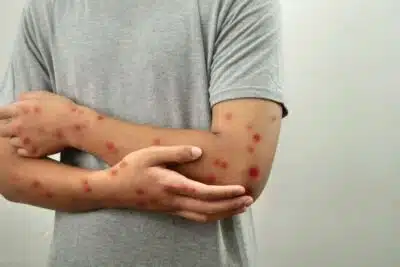
Mpox: Alerta na Saúde Brasileira – Novas Casos Preocupam em 2026!
CONTINUA DEPOIS DA PUBLICIDADE
3. Vishing (Voice Phishing):
4. Golpe do Benefício Social:
III. Key Takeaways & Recommendations
IV. Author Information (Based on the Text)
—
Do you want me to:
- What is Spoofing? Spoofing is a technique used in scams where criminals disguise their identity to appear legitimate. In this context, it’s used to mimic official sources (banks, government agencies, tech support, etc.) to trick victims.
- Why it’s a Major Threat: Spoofing is a significant problem because it exploits trust – people are more likely to respond to something that looks official.
- Overall Goal: The text emphasizes that vigilance and awareness are crucial for combating spoofing attacks.
- Criminals create fake websites that look identical to legitimate ones (e.g., a bank’s website).
- Victims enter their login credentials, personal information, or financial details, which are then stolen.
- Similar to phishing, but uses SMS messages.
- Criminals send messages claiming to be from legitimate organizations, often urging recipients to take immediate action (e.g., “Your account is locked – click here to verify”).
- Criminals impersonate representatives of companies (like tech support) over the phone.
- They often create a false sense of urgency or claim to have identified a problem with the victim’s computer.
- Criminals create fake websites that mimic official government or social benefit programs.
- They collect personal information and financial details from victims.
- Pressure & Urgency: Criminals often use pressure tactics (e.g., “Your account is locked!”) to make victims act quickly without thinking.
- Verification is Key: Always independently verify the legitimacy of any communication before taking action. Don’t rely solely on the information provided in the message.
- Strong Security Culture: The text highlights the importance of fostering a culture of security awareness among individuals.
- Moysés: Bachelor of Letters graduate from the Federal University of the State of Rio de Janeiro (UNIRIO). He has a background in SEO and has produced over 10,000 articles on topics like social benefits, credit, and national news.
- Expand on a specific type of spoofing attack?
- Generate a list of questions to ask to help someone identify a spoofing attempt?
- Create a short educational piece based on this information?


Autor(a):
redacao
Responsável pela produção, revisão e publicação de matérias jornalísticas no portal, com foco em qualidade editorial, veracidade das informações e atualizações em tempo real.